Ask any athlete what they hate most, and being forced to sit out because of an injury would probably be high on the list. You miss practice, miss matches, and watch your teammates carry on without you. Not a nice feeling at all. Some of them might have realized how important it is to get back on the ground steadily with the help of sports physiotherapy.
And the moment the pain goes away, you want to return. Who wants to spend more time on the sidelines? But can you really get back to playing just because it no longer hurts? How to prepare your body and go back to the field with the same old, or even better performance? At Posh Rehab & Fitness Hub, we help athletes get back to the game safely, without rushing the process. We have a team that understands your sport, your injury, and what it takes to get you back to playing.
Why does pain-free movement not always mean full recovery?
Well, think about what happens when you actually get back on the field. It is not like your normal life. Running, jumping, turning, sudden movements- your body has to handle all of it. Rebuilding your strength, practicing specific movements, and slowly getting your body used to the demands of your sport are important.
Take a knee injury, for example. You have completed your initial treatment. Walking is fine. You can climb stairs, do some household work, and perhaps even go for a short walk. Naturally, you start thinking about returning to football.
But have you tried sprinting? What about suddenly changing direction when another player approaches? Can you stop quickly without putting too much pressure on the injured knee?
These are different movements. They need strength, control, and confidence. Sometimes an athlete discovers the problem only after returning to practice.
Sports physiotherapy would rather identify those gaps during rehabilitation and help you recover steadily.
What Happens During Sports Physiotherapy?
When an athlete comes in after an injury, there is usually one question on their mind – how soon can I play again? Fair enough. Nobody likes missing practice or watching a match from the sidelines.
But we need to look at a few things first. A muscle strain may have settled, an ankle sprain may no longer hurt, but has the athlete got back the strength and movement needed for the game? What about ligament injuries, knee pain, shoulder problems or tendon injuries? Each comes with its own difficulties. Some athletes are also left with weakness after the injury, even when the painful part seems to be over.
Assessing Strength and Joint Mobility
We usually begin with movement and strength. A footballer recovering from a knee injury might tell us that everything is fine now. Then we ask them to squat, balance on one leg or try a small jump. That’s when they may notice the injured side still isn’t quite as strong.
Joint movement is another thing. The knee may not bend fully. An ankle may feel tight after a sprain. With a shoulder injury, even reaching overhead can be uncomfortable. These are things we need to work on. Otherwise, the athlete may keep adjusting how they move without even realizing it.
Balance, Agility, and Functional Testing
Think about a badminton match. You are moving one way, then suddenly have to turn and reach in the opposite direction. There is hardly any time to think about where your feet are going.
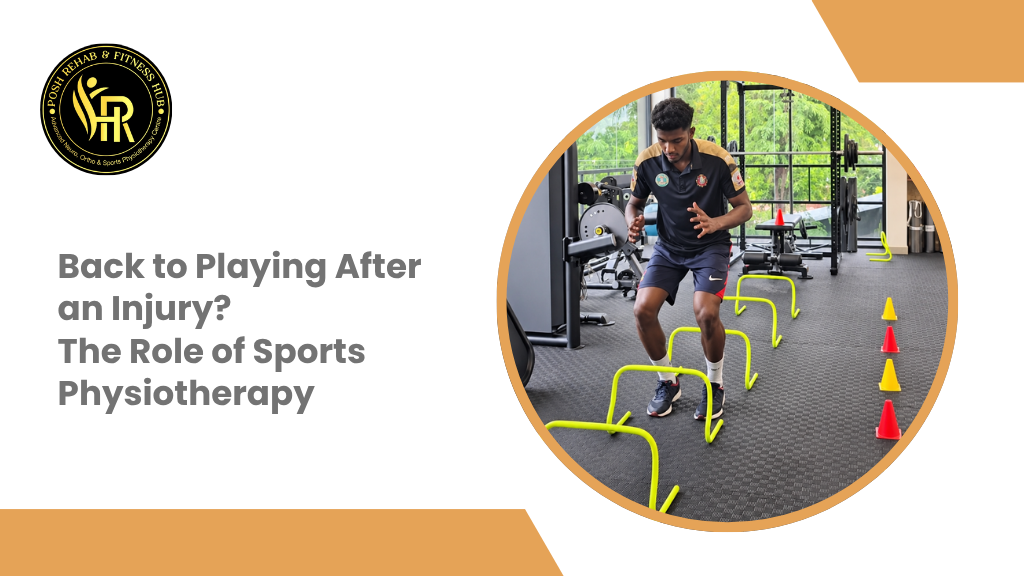
This is why we check balance, landing, and control. We may use hopping exercises, single-leg movements, and direction changes. Some athletes manage these quite well at first, but struggle when asked to move faster. Others are still putting more pressure on the uninjured side. We need to notice these things during rehabilitation.
Sport-Specific Drills and Movement Assessment
At some point, you have to get back to doing the things your sport actually demands. A runner needs to run again, not just do strength exercises. A footballer has to practice sprinting, stopping, and kicking. For badminton, it’s lunging and moving quickly around the court.
You don’t have to do all this at once. Start slowly and build up. If pain or swelling comes back after a session, you may need to take a step back. That’s okay. Recovery doesn’t always move forward every single day.
And don’t jump straight into a full match to see if you’re ready. Get back to regular practice first.
Building Confidence After Injury
An athlete may be physically ready to run but still hesitate when making a sudden turn. Perhaps they injured their ankle doing exactly that. The memory stays with them. Naturally, they become careful about repeating the movement. Building confidence is equally important as your physical recovery.
We’ve seen how regular practice helps here. Start with movements that feel manageable. Repeat them. Gradually make them harder. You don’t have to return at the same pace as your teammates.
Your Return-to-Sport Plan Should Be About You
No standard recovery plan suits everyone. A runner with an overuse injury and a footballer recovering from a ligament injury have different things to work towards. Even two athletes with the same knee injury may not have the same goals.
This is why we look at the person, not only the injured joint. What sport do they play? How active were they before? What are they still finding difficult? The answers help decide what needs attention – strength, joint movement, balance or sport-specific training.
At Posh Rehab & Fitness Hub, we work with athletes through these different stages of recovery. The aim is to help them regain movement, build strength, and prepare for a return to their sport. It takes time, and the plan may change along the way.
A few good practice sessions are encouraging, but don’t mistake them for being ready for a full match. Give yourself that extra time. Your return to the game should be something you can sustain.
Sports Physiotherapy at Posh Rehab & Fitness Hub
At Posh Rehab & Fitness Hub, we work with athletes and active individuals at different stages of recovery. Every athlete’s injury experience is different, and we take the time to understand it. Our team works closely with them throughout rehabilitation, keeping their sporting goals in mind.
Why Choose Posh Rehab & Fitness Hub?
- Support for different sports-related injuries.
- Individual attention throughout rehabilitation.
- Guided movement training
- Return-to-sport planning.
- Best-in-class personal care for athletes.
- Focus on proper healing.
- Systematic and proven process: injury assessment, targeted rehab, movement training, return planning.
Ready to Get Back to Playing?
Do the memories of your injury hold you back from playing? You can return to your previous performance with authentic, systematic physiotherapy sessions.