


We don’t really think about our movements when everything is fine. You climb the stairs, bend down, sit at work, reach for something, get up from a chair — all these are just normal things.
Then one day, the knee starts troubling you on the stairs. Your neck feels stiff after work. Bending down hurts your back. Maybe you cannot lift your arm properly because of a shoulder problem.
Most people try to manage these things at first. They rest for a few days, avoid that movement, or wait to see if it improves. But what if it keeps happening?
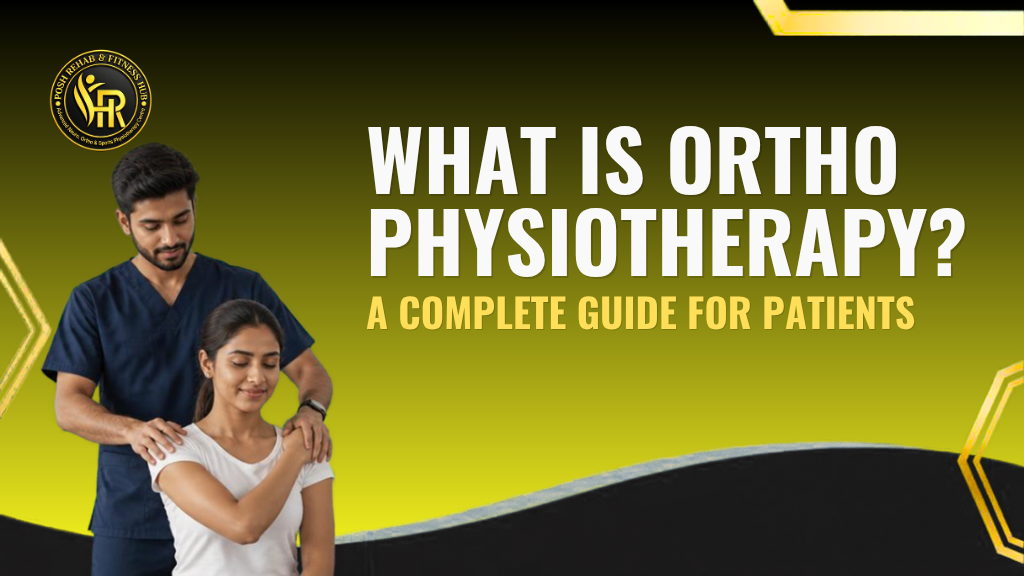
That is where orthopedic pain and ortho physiotherapy come in. Orthopedic pain means pain related to bones, joints, muscles, ligaments, and other parts involved in movement. Ortho physiotherapy focuses on these problems and helps improve movement, strength, and function.
The physiotherapy center you choose matters too. A good center should assess your specific problem and treatment needs, rather than simply giving you a set of exercises. This is where POSH Rehab & Fitness Hub comes in.
What is orthopedic physiotherapy?
Ortho physiotherapy mainly addresses problems with bones, joints, muscles, and movement. Knee pain, shoulder stiffness, back pain, an injury that is still bothering you — these are some of the reasons people may come for physiotherapy.
It can be after an injury or surgery. But not always. Sometimes there is no big injury at all. Instead, a joint slowly becomes stiff, a movement starts hurting, or you notice that you are avoiding certain movements without really thinking about it.
The treatment depends on the situation and generally includes exercises, movement work, or hands-on care. You may also have a few things to do at home.
And you don’t have to be able to do everything from the beginning. If the movement is difficult, you start from there. A simple exercise first, then a little more when you can manage it. That is how it goes in many cases.
The exercise part also doesn’t mean starting with something difficult. If you cannot move properly or don’t have much strength, you start small. Very small sometimes. Then when that gets easier, you do a little more. Then a little more again. And there will be professional orthopedic physiotherapists to guide you throughout the session.
It is not about pushing through unbearable pain just because you want to recover faster. The physiotherapist just spends some quality time with you, watching how you are doing, what you can manage, and how you are responding. He will create a step-by-step plan as you become comfortable with the first stage of recovery exercises.
So, it is not one fixed set of exercises for everyone. It moves with your recovery.
Orthopedic physiotherapy can help office workers, older adults, athletes, people recovering from injuries or surgery, and those who have recurring pain or stiffness.
Role of an orthopedic physiotherapist
An orthopedic physiotherapist is the person who guides you through the orthopedic physiotherapy sessions. An orthopedic physiotherapist is an expert who can handle a patient who suffers from any orthopedic pain.
They will be friendly, and you will feel comfortable working with them. You can share your doubts, discuss your difficulties, and ask for explanations and demonstrations.
Conditions commonly treated
Ortho physiotherapy helps with many common problems, and many people benefit from the right orthopedic physiotherapy treatment. In some cases, with the right treatment and regular care, you may even avoid surgery. It depends on the condition, of course.
Back and neck pain
That neck pain after a long day at the laptop? Or the back that starts hurting every time you bend down? These are common problems people come to physiotherapy with.
Arthritis
Arthritis can slowly change how you move. You walk less, avoid the stairs, take more time getting up. But can the right exercises help you stay active? Yes, they can.
Sports injury
You just want to get back to the sport you love. But after an injury, you may have to slow down for a while. Physiotherapy can help you work your way back.
Joint pain
A painful joint can start affecting small things first. Getting up from a chair, walking, climbing stairs… suddenly you are thinking about all of it. The right treatment can help make these things easier again.
Frozen shoulder
You reach for something on a shelf and your shoulder just won’t go that far. You feel frustrated, but focus on the right physiotherapy options. Certainly, you will feel better over time.
Role of therapeutic exercises
Therapeutic exercises help the body become stronger, move better, and return to normal activities. They are not just general exercises. The physiotherapist chooses them depending on the problem and what the patient can manage. They help you to:
- Build strength
- Enjoy better movement
- Perform everyday activities with ease
- Reduce the chance of another injury
- Keep you comfortable
- Return to your original level of performance (especially for athletes)
The exercises can also change as you improve. What you need at the beginning may not be what you need a few weeks later.
How long does physiotherapy take?
You will very well understand the situation when you connect it to a familiar health condition. Suppose you and a friend were traveling on a motorbike when you met with an accident. Both you and the pillion rider got bone fractures. Who will recover first?
Here’s how this connects to the question. You know, there is no single answer, and it depends on the seriousness of the injury and the nature of the bone fracture. Similarly, physiotherapy sessions depend on the condition of the patient, how well they can manage the exercises, and their consistency in attending and practicing the exercises, etc,
When to consult a physiotherapist?
Is pain, stiffness, weakness, or a joint that is making normal movements difficult bothering you often? Do you avoid stairs because of knee pain? Or are you sitting differently at work because your back hurts? Is it a recurring issue? It’s better to get it assessed than to keep working around it.
Why Choose POSH Rehab & Fitness Hub?
When choosing a physiotherapy clinic, you want a proper assessment, clear guidance, and someone who tracks your progress. POSH Rehab & Fitness Hub focuses on these practical aspects of patient care.
- Experienced and qualified physiotherapists
- Proper assessment before treatment
- Treatment plans based on individual needs
- Experience with different orthopedic conditions
- Individual attention during sessions
- Supervised exercises and treatment
- Clear communication with patients
- Regular progress tracking
- Rehabilitation guidance
- Home exercise guidance
- Convenient location
- Suitable facilities
- Focus on steady, long-term progress
Orthopedic physiotherapy is all about helping you regain ease of movement through simple, guided exercises. And of course, it is not the same for everyone! Just as medication differs based on a patient’s condition, treatment is personalized to the patient’s situation. In most cases, doctors refer you for orthopedic physiotherapy if needed. Sometimes, they can even help you avoid surgery! Athletes can return to their original level of performance after orthopedic physiotherapy treatment. And to enjoy all the benefits and an early recovery, choosing a renowned physiotherapy center like POSH Rehab is just as important as your consistency in showing up for sessions and practicing at home.


